
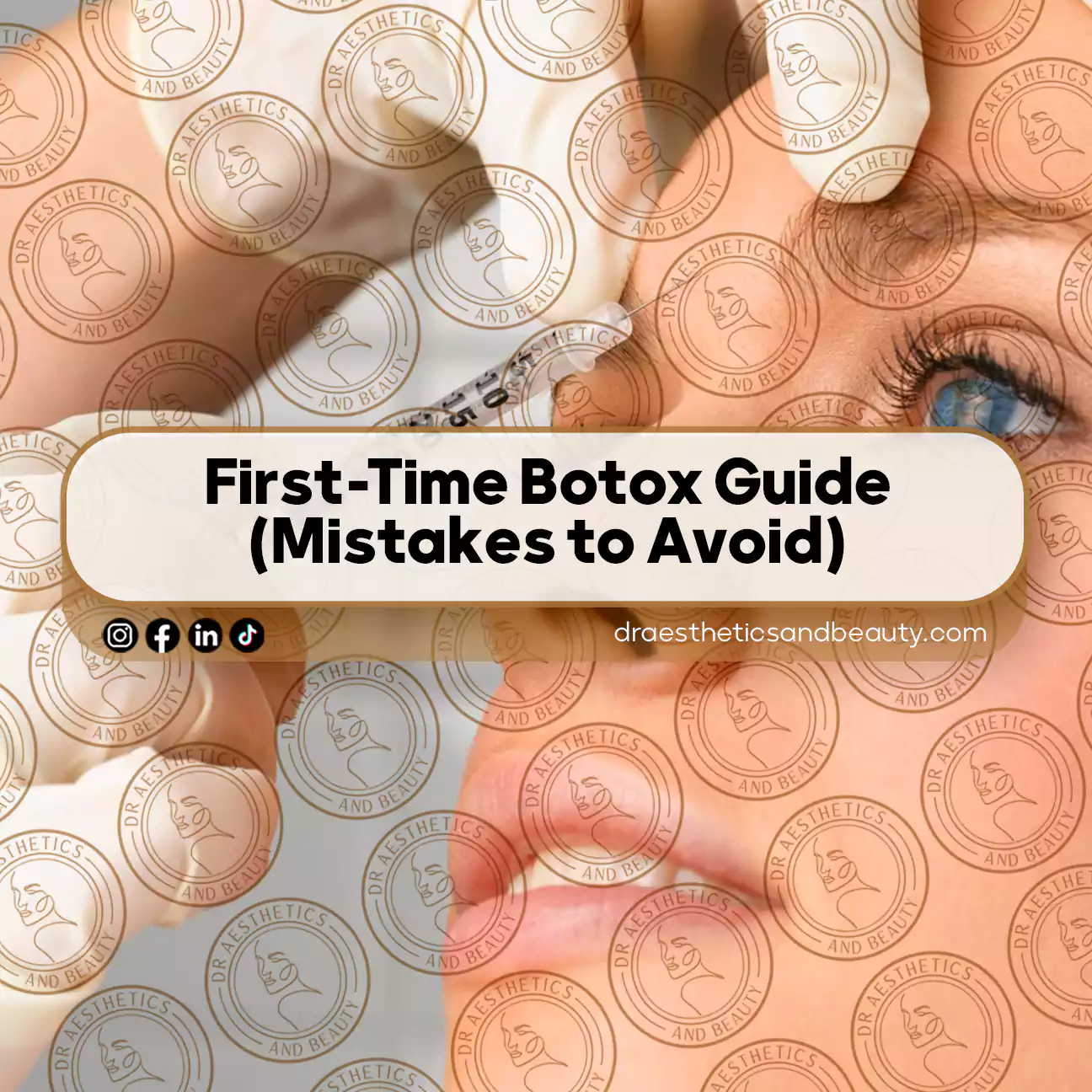
Considering Botox for the first time? You’re not alone—thousands of people try it every day, hoping for smoother skin and a fresher, more confident look. But while Botox can deliver amazing results, your first appointment can also feel confusing, overwhelming, and full of avoidable pitfalls. The truth is, a little knowledge can mean the difference between loving your results… and wishing you had done things differently. In this guide, we’ll walk you through the essential first‑time Botox mistakes to avoid, so you can step into your appointment informed, prepared, and ready to achieve the natural, youthful glow you’re looking for.
What First-Time Botox Patients Should Understand Before Their Appointment
Trying Botox for the first time can feel both exciting and intimidating. Botox is one of the most widely performed cosmetic treatments in the world, known for its ability to reduce dynamic wrinkles and create a smoother, more refreshed appearance. However, successful results depend heavily on understanding what Botox can realistically achieve and how the treatment process works.
Botox is a purified neurotoxin that temporarily relaxes targeted facial muscles. These muscles are responsible for expression lines such as forehead wrinkles, crow’s feet, and frown lines between the eyebrows. By limiting repetitive muscle contractions, Botox allows the skin above those muscles to smooth out gradually. It’s important to understand that Botox does not “fill” wrinkles like dermal fillers; instead, it works by reducing the movement that causes wrinkles to form.
Before your first appointment, you should also know that results are not immediate. Most patients begin to notice improvements within 3–5 days, with full results typically appearing after about two weeks. Additionally, Botox results are temporary and usually last between three to four months, depending on factors such as metabolism, muscle strength, and treatment area.
Another key point is choosing a qualified and experienced injector. Proper facial anatomy knowledge and injection technique are essential for achieving natural-looking results and minimizing complications. A thorough consultation before treatment should include discussing your goals, reviewing medical history, and determining whether Botox is the right option for you. By understanding these fundamentals before your first appointment, you can approach Botox with realistic expectations and significantly increase the likelihood of a safe and satisfying outcome.
How Botox Works: The Science Behind Neuromodulators
Botox belongs to a class of treatments known as neuromodulators—substances that alter nerve signaling to muscles. In aesthetic medicine, neuromodulators are used to temporarily reduce muscle activity responsible for expression lines and dynamic wrinkles. Understanding the science behind Botox helps explain why it has become one of the most effective non‑surgical anti‑aging treatments available today. Facial wrinkles often develop from repeated muscle contractions caused by everyday expressions such as smiling, frowning, or squinting. Over time, these repeated movements create lines in the skin, particularly in areas where the skin is naturally thinner. Botox works by interrupting the communication between nerves and muscles in targeted areas.
When injected in small, controlled amounts, Botox blocks the release of acetylcholine, a neurotransmitter responsible for signaling muscle contraction. Without this signal, the muscle temporarily relaxes. As the muscle activity decreases, the skin above it becomes smoother and the appearance of wrinkles softens. Because Botox specifically targets dynamic wrinkles, it is most effective for lines caused by muscle movement rather than deep static wrinkles caused by aging or sun damage. This is why Botox is commonly used for areas such as the forehead, glabellar lines (the “11” lines between the eyebrows), and crow’s feet around the eyes. The effect of Botox is temporary because the body gradually restores nerve signaling over time. As new nerve endings develop, muscle activity returns and wrinkles may slowly reappear. This is why maintenance treatments every few months are typically recommended for consistent results. When administered by a skilled professional, Botox provides subtle, natural-looking improvements while preserving normal facial expression.
How Botulinum Toxin Temporarily Blocks Muscle Contraction
Botulinum toxin type A, the active ingredient in Botox, works by targeting the neuromuscular junction—the point where nerve cells communicate with muscle fibers. Normally, when the brain sends a signal for a muscle to contract, the nerve releases a neurotransmitter called acetylcholine. This chemical messenger binds to receptors on the muscle and triggers contraction. Botox interferes with this process. After injection, the toxin enters the nerve endings and blocks the release of acetylcholine. Without this neurotransmitter, the muscle cannot receive the signal to contract. As a result, the targeted muscle remains in a relaxed state for a temporary period of time.
This controlled muscle relaxation is what reduces the appearance of dynamic wrinkles. When facial muscles stop repeatedly folding the skin, the overlying skin begins to smooth out and lines appear less prominent. Importantly, Botox works locally at the injection site and does not affect surrounding muscles when administered correctly. The body gradually reverses the effect by forming new nerve endings, a process known as nerve sprouting. As these new pathways develop, communication between nerves and muscles is restored, and muscle movement slowly returns. This is why Botox treatments typically last around three to four months before another session may be needed to maintain results.
Areas of the Face Most Commonly Treated With Botox
Botox is most commonly used to treat facial areas where repetitive muscle movement leads to visible expression lines. These areas are often referred to as “dynamic wrinkle zones,” meaning the wrinkles become more noticeable when the face moves. One of the most frequently treated areas is the forehead, where horizontal lines develop from raising the eyebrows. Botox can soften these lines while maintaining natural brow movement when injected correctly.
Another popular treatment area is the glabellar region, located between the eyebrows. The vertical lines that form here are often called frown lines or “11 lines.” These wrinkles appear from repeated frowning or concentrating and are one of the primary FDA‑approved uses of Botox. The crow’s feet area, located at the outer corners of the eyes, is also commonly treated. These fine lines develop from smiling, squinting, and natural eye movement. Botox helps relax the small muscles around the eyes, making these wrinkles less visible.
In addition to these core areas, Botox may also be used for bunny lines on the nose, chin dimpling, lip lines, and neck bands, depending on a patient’s anatomy and aesthetic goals. A qualified injector will evaluate facial structure and muscle activity to determine the safest and most effective treatment plan.
Common First-Time Botox Mistakes to Avoid
Many first-time Botox patients make simple mistakes that can affect their results or overall experience. Being aware of these pitfalls can help ensure a smoother, safer treatment process and more natural-looking outcomes.
- Choosing a provider based solely on price: Botox is a medical procedure that requires skill and anatomical knowledge. Extremely low prices may indicate diluted products, inexperienced injectors, or non‑medical settings.
- Skipping proper research about the injector: Patients should verify that their provider is a licensed medical professional with experience in aesthetic injections.
- Expecting immediate results: Botox does not work instantly. Most patients see gradual improvement over several days, with full results appearing in about two weeks.
- Over-treating during the first session: Some first-time patients request large amounts of Botox for dramatic changes. Experienced injectors usually start conservatively to maintain natural facial expressions.
- Ignoring pre‑treatment guidelines: Alcohol, certain supplements, and blood-thinning medications may increase the risk of bruising before injections.
- Not following aftercare instructions: Rubbing the treated area, intense exercise, or lying down immediately after treatment can affect how Botox settles in the muscles.
- Having unrealistic expectations: Botox can soften wrinkles but it will not completely transform facial structure or eliminate every line.
Avoiding these common mistakes can significantly improve both safety and satisfaction with your first Botox experience.
Botox vs. Other Anti‑Wrinkle Treatments: Key Differences
Below is a professional comparison table highlighting the key differences between Botox and other common anti‑wrinkle treatments. This format helps first‑time patients clearly understand which option may be most suitable for their goals.
| Feature | Botox (Botulinum Toxin Type A) | Dermal Fillers (Hyaluronic Acid) | Dysport / Xeomin (Other Neuromodulators) | Laser Resurfacing |
| Primary Function | Relaxes muscles to reduce dynamic wrinkles | Adds volume to fill static wrinkles and restore contour | Relaxes muscles similar to Botox | Improves skin texture and stimulates collagen |
| Best For | Forehead lines, frown lines, crow’s feet | Nasolabial folds, lip enhancement, cheek volume | Same areas as Botox | Fine lines, sun damage, uneven skin tone |
| Mechanism of Action | Blocks acetylcholine to prevent muscle contraction | Physically fills and lifts tissue | Blocks nerve signals to muscles | Uses light energy to resurface skin layers |
| Onset of Results | 3–5 days (full effect in ~14 days) | Immediate (final result after swelling subsides) | 2–4 days (varies slightly by product) | Several days to weeks depending on intensity |
| Duration of Results | 3–4 months | 6–18 months (depending on product) | 3–4 months | Long‑lasting with proper skincare |
| Downtime | Minimal to none | Minimal; mild swelling/bruising | Minimal | Mild to moderate (depends on treatment depth) |
| Treats Static Wrinkles? | Limited effectiveness | Yes | Limited effectiveness | Yes |
| Reversible? | Naturally wears off | Most HA fillers are dissolvable | Naturally wears off | Not reversible (results develop gradually) |
| Ideal Candidate | Patients with expression lines | Patients with volume loss | Similar to Botox candidates | Patients seeking skin rejuvenation |
Choosing a Qualified Injector: Credentials, Experience, and Safety Standards
Selecting a qualified injector is one of the most important decisions for anyone considering Botox for the first time. Although Botox is a minimally invasive cosmetic treatment, it is still a medical procedure that requires a strong understanding of facial anatomy, muscle dynamics, and proper injection techniques. Choosing an experienced professional significantly reduces the risk of complications and improves the likelihood of natural‑looking results.Ideally, Botox injections should be performed by licensed medical professionals such as dermatologists, plastic surgeons, or trained aesthetic physicians and nurses working under medical supervision. These providers have the clinical knowledge necessary to evaluate facial muscle patterns, determine appropriate dosage, and select precise injection points. Proper technique ensures that wrinkles are softened without creating an unnatural or “frozen” appearance.
Experience also plays a critical role in achieving balanced outcomes. Skilled injectors understand how different muscles interact across the face and can tailor treatments based on each patient’s facial structure, skin condition, and aesthetic goals. A personalized treatment plan helps maintain natural facial expressions while reducing the appearance of dynamic wrinkles. In addition to credentials and experience, patients should consider clinic safety standards. A reputable clinic will use FDA‑approved products, follow strict hygiene protocols, and conduct a thorough consultation before treatment. This consultation typically includes reviewing medical history, discussing expectations, and explaining possible side effects. Ultimately, choosing a qualified injector ensures that Botox treatments are performed safely, effectively, and with results that enhance rather than alter your natural appearance.
Warning Signs of an Inexperienced or Unlicensed Provider
Identifying warning signs of an inexperienced or unlicensed Botox provider is essential for protecting both your safety and your aesthetic results. Because Botox injections directly affect facial muscles, improper administration can lead to complications such as uneven results, drooping eyelids, or unnatural facial expressions.
One major red flag is treatment offered in non‑medical environments such as private homes, hotel rooms, or informal “Botox parties.” Cosmetic injections should always be performed in a licensed medical clinic that follows professional hygiene and safety standards. Another warning sign is unusually low pricing. While competitive pricing is common, extremely cheap treatments may indicate diluted products, counterfeit Botox, or an injector with limited experience.
Patients should also be cautious if the provider does not perform a consultation before treatment. A qualified injector will always review medical history, discuss medications, evaluate facial anatomy, and explain expected results and potential risks. Skipping these steps suggests a lack of proper medical assessment. Additionally, providers who cannot clearly explain the treatment plan, dosage, or product being used should raise concern. Transparency about the brand of neuromodulator, injection areas, and expected outcomes is a basic professional standard. Verifying credentials, checking reviews, and confirming that the injector is medically licensed are essential steps before proceeding with Botox treatment.
Pre‑Treatment Preparation: What to Do Before Your First Botox Session
Proper preparation before your first Botox session can help minimize side effects and ensure the best possible results. Although Botox injections are relatively quick and minimally invasive, following a few important pre‑treatment guidelines can reduce the risk of bruising, swelling, and other minor complications.
One of the most common recommendations is to avoid substances that thin the blood for at least several days before treatment. This may include alcohol, aspirin, ibuprofen, fish oil supplements, vitamin E, and certain herbal supplements. These substances can increase the likelihood of bruising at the injection sites. However, patients should never stop prescribed medications without consulting their healthcare provider. Patients should also arrive at the appointment with clean skin, free from makeup, lotions, or skincare products. This helps maintain a sterile environment and allows the injector to clearly assess the facial muscles and treatment areas. In some cases, providers may take clinical photographs to document the baseline appearance before treatment.
Another important step is discussing your aesthetic goals during the consultation. Communicating expectations helps the injector determine the appropriate dosage and treatment strategy. Patients should also inform their provider about any medical conditions, allergies, prior cosmetic procedures, or pregnancy. Finally, it is helpful to avoid scheduling Botox immediately before important events. Mild swelling or bruising can occasionally occur, and allowing a few days for recovery ensures optimal results and appearance.
What to Expect During and Immediately After the Procedure
Understanding what happens during a Botox procedure can help first‑time patients feel more comfortable and prepared. The treatment itself is relatively quick and typically takes between 10 and 20 minutes, depending on the number of areas being treated. The process usually begins with a consultation and facial assessment. The injector will ask the patient to perform certain facial expressions—such as frowning, raising the eyebrows, or smiling—to observe how the muscles move and identify the precise injection points. These movements help determine where Botox will be most effective in reducing dynamic wrinkles.
Once the treatment areas are identified, the skin is cleaned and prepared. Botox is then injected using a very fine needle into specific muscles. Most patients describe the sensation as a brief pinching or mild discomfort that lasts only a few seconds per injection. Because the needles are extremely small, anesthesia is typically not necessary, although some clinics may offer numbing cream if requested. Immediately after the procedure, patients may notice slight redness, small bumps, or mild swelling at the injection sites. These effects usually resolve within a few hours. Most individuals can return to normal daily activities immediately after treatment. However, providers often recommend avoiding intense physical exercise, lying flat, or rubbing the treated areas for several hours to ensure the Botox remains precisely where it was injected.
Post‑Botox Aftercare: How to Maximize Results and Reduce Side Effects
Following proper aftercare guidelines is essential for achieving optimal Botox results and minimizing potential side effects. Although Botox requires little downtime, certain precautions during the first 24 hours can help ensure the product settles correctly into the targeted muscles. One of the most common recommendations is to remain upright for at least four hours after treatment. Lying down too soon may theoretically increase the chance of the product migrating to unintended areas. Patients are also advised to avoid rubbing, massaging, or applying pressure to the injection sites for the rest of the day.
Strenuous physical activity should also be avoided for about 24 hours. Intense exercise increases blood circulation, which may raise the risk of swelling or bruising in the treated areas. Similarly, exposure to excessive heat—such as saunas, hot yoga, or steam rooms—should be postponed for at least a day. Minor redness, swelling, or small bumps may appear immediately after injections but usually resolve quickly. Applying a cold compress gently can help reduce temporary swelling if needed. Patients should also remember that Botox results develop gradually. It may take several days before the muscle relaxation becomes noticeable. Maintaining a healthy skincare routine and protecting the skin from sun damage can further enhance the longevity of results. Following these simple aftercare steps helps ensure that Botox treatments remain safe, effective, and natural‑looking.
When Will You See Results and How Long Do They Last?
One of the most common questions among first‑time Botox patients is how quickly results appear and how long they will last. Unlike some cosmetic treatments that provide immediate changes, Botox works gradually as it affects the nerve signals responsible for muscle contractions. Most patients begin to notice subtle improvements within three to five days after treatment. During this period, the injected muscles start to relax, which reduces the repetitive movements that cause expression lines. Full results typically become visible within 10 to 14 days, when the neuromodulator has fully taken effect.
The longevity of Botox results varies from person to person. On average, the effects last between three and four months. Several factors can influence duration, including individual metabolism, muscle strength, treatment area, dosage, and lifestyle habits. Patients with stronger facial muscles or more active expressions may notice results fading slightly sooner.
With repeated treatments, some individuals find that their results last longer over time. This occurs because the targeted muscles gradually adapt to reduced movement, which can slow the formation of wrinkles. Once the effects begin to wear off, muscle activity slowly returns and expression lines may gradually reappear. Maintenance treatments are typically scheduled every three to four months to maintain consistent and natural‑looking results.
Is Botox Safe for First-Time Users? Risks, Side Effects, and Myths
Botox has been extensively studied and used in both medical and cosmetic treatments for several decades. When administered by a qualified and experienced professional, it is considered a safe and effective procedure for reducing dynamic wrinkles. Regulatory agencies such as the FDA have approved Botox for several cosmetic applications, including frown lines, forehead lines, and crow’s feet.
Like any medical procedure, Botox does carry some potential risks and side effects. The most common reactions are mild and temporary, including slight swelling, redness, bruising, or tenderness at the injection site. These symptoms typically resolve within a few hours or days without treatment.
Less common side effects may include headache, temporary eyelid drooping, or uneven muscle relaxation. These effects are usually related to injection technique or product placement, which is why choosing a skilled injector is essential.
There are also several misconceptions surrounding Botox. One common myth is that Botox permanently freezes the face. In reality, when administered properly, Botox softens muscle movement while still allowing natural facial expressions. Another myth is that Botox is only for older patients; however, many individuals use it preventively to reduce the formation of deeper wrinkles. Overall, Botox remains one of the safest and most widely performed non‑surgical cosmetic treatments when performed by trained medical professionals.
FAQ
- Does Botox hurt?
Most patients describe Botox injections as mildly uncomfortable rather than painful. The needles used are extremely fine, and the sensation is often compared to a quick pinching feeling that lasts only a few seconds. The procedure is fast, typically 10–20 minutes, and no anesthesia is usually required. For patients with low pain tolerance, a topical numbing cream or ice may be applied before treatment.
- How soon can I return to normal activities?
In most cases, you can return to your regular daily routine immediately after treatment. However, it’s recommended to avoid strenuous exercise, lying flat, or massaging the treated area for at least 4–24 hours to prevent unwanted product migration.
- Will my face look frozen or unnatural?
When performed by an experienced injector, Botox should create subtle, natural‑looking results. The goal is to soften dynamic wrinkles while preserving normal facial expressions—not eliminate movement entirely.
- Can Botox prevent wrinkles from getting worse?
Yes. Botox not only treats existing dynamic wrinkles but can also help prevent deeper lines from forming by reducing repetitive muscle contractions over time.
- What happens if I stop getting Botox?
If you discontinue treatments, your muscles will gradually regain normal movement, and wrinkles will slowly return to their pre‑treatment appearance. Botox does not make wrinkles worse after stopping.
- Is there a “right age” to start Botox?
There is no specific age requirement. Some individuals start in their late 20s or early 30s for preventative purposes, while others begin later to address visible expression lines. The decision depends more on muscle activity and skin condition than age alone.
- How do I know if I’m a good candidate for Botox?
Healthy adults who want to reduce dynamic wrinkles and have realistic expectations are typically good candidates. A professional consultation is necessary to evaluate medical history and aesthetic goals.
Conclusion
Your first Botox treatment doesn’t have to feel overwhelming. With the right knowledge, realistic expectations, and a qualified injector, Botox can be a safe and effective way to achieve smoother, more refreshed skin. Understanding how it works, preparing properly, and avoiding common first‑time mistakes significantly increases your chances of loving your results. Botox is not about changing your face—it’s about enhancing your natural appearance with subtle, controlled improvements. By approaching your first appointment informed and prepared, you can confidently take the next step toward a more youthful, confident version of yourself.