
Quick Summary: XERF Under Eye Treatment
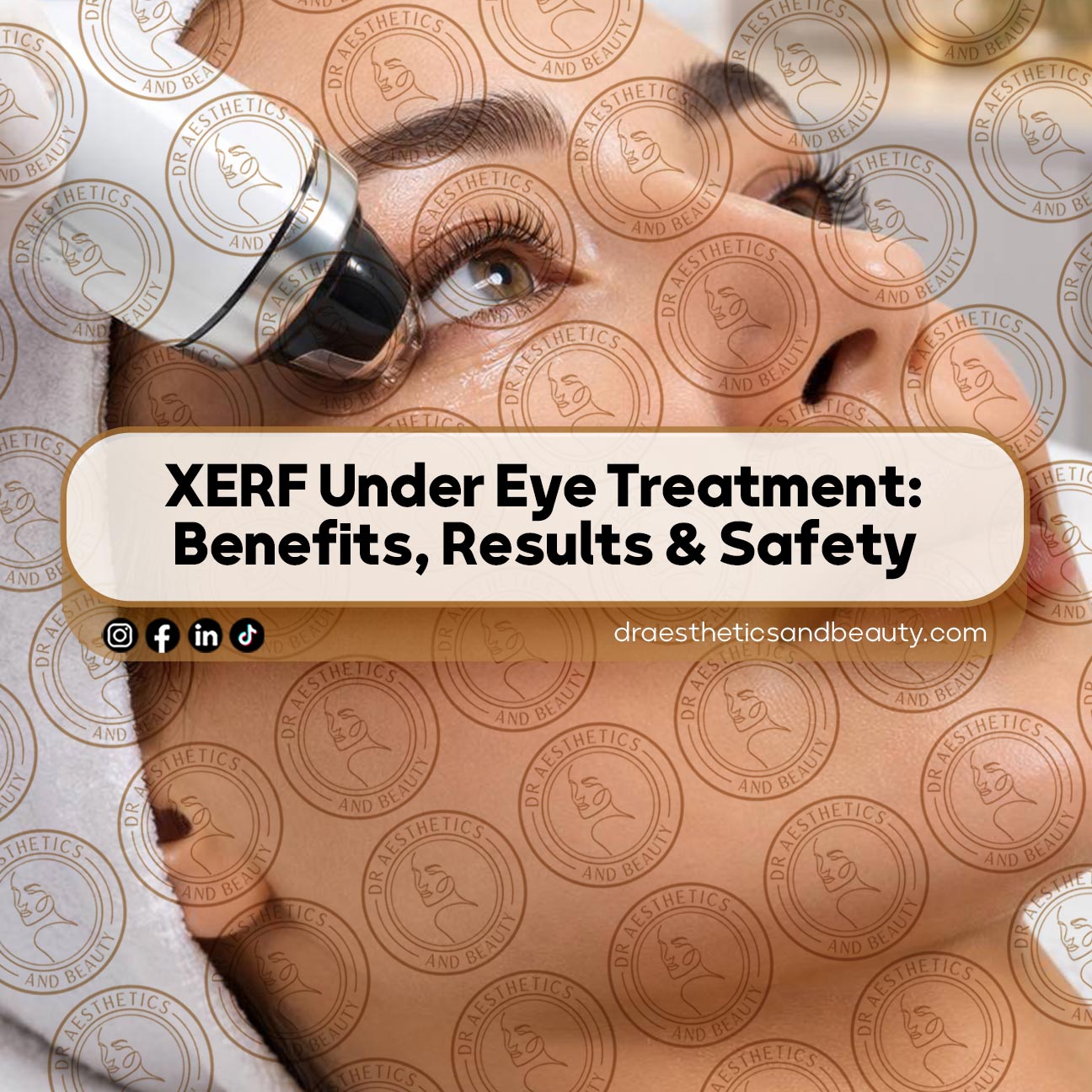
- Technology: XERF is a non-invasive, dual-frequency monopolar radiofrequency platform designed to deliver controlled energy to targeted tissue.
- Primary goal: Improve the appearance of selected skin laxity, fine lines, and reduced firmness around the eyes.
- Potential benefits: Gradual skin tightening and improvements in selected aspects of skin texture and the appearance of fine wrinkles.
- Treatment experience: It does not use microneedles or surgical incisions, although sensations and temporary skin reactions can vary.
- Results: Outcomes are individual and may develop progressively; the degree of improvement cannot be guaranteed.
- Limitations: It is not a universal solution for dark circles, prominent fat bags, significant excess eyelid skin, or deep under-eye hollows.
- Next step: A professional consultation can help determine whether XERF is suitable or whether another approach would better address the underlying concern.
The Three Essential Things to Know
- Understand the technology. Learn how radiofrequency energy may influence collagen and tissue firmness.
- Identify your under-eye concern. Skin laxity, pigmentation, puffiness, and volume loss have different causes and treatment considerations.
- Set realistic expectations. Patient selection, treatment technique, safety, and follow-up all matter when evaluating potential outcomes.
What Is XERF Under Eye Treatment?
XERF under eye treatment refers to an eye-focused approach using the XERF radiofrequency platform to address selected signs of aging around the eyes. The technology uses non-invasive monopolar radiofrequency energy at two frequencies, 6.78 MHz and 2 MHz, with treatment delivery determined by the device, applicator, anatomical area, and clinician-selected parameters.
Radiofrequency energy produces controlled thermal effects in tissue. These effects can influence collagen structure and initiate biological responses associated with tissue remodeling. Collagen is an important structural protein that helps support skin firmness and resilience.
As skin ages, collagen organization and elasticity change. This may contribute to fine wrinkles, crepey texture, and mild laxity. Radiofrequency-based treatments aim to stimulate a controlled response that may improve selected features of skin quality over time.
However, the results of XERF should not be confused with those of surgery or treatments that restore lost volume. The technology does not physically remove excess skin, and improvements depend on the underlying anatomy and the degree of skin laxity.
Important distinction: Evidence specifically evaluating XERF around the eyes remains limited. Early clinical reports have described treatment protocols and preliminary observations, but these findings should not be interpreted as proof of guaranteed results or long-term effectiveness for every under-eye concern.
Why Does the Under-Eye Area Need a Specialized Approach?
The periorbital region includes the lower eyelids, upper eyelids, outer corners of the eyes, and surrounding tissues. Its anatomy is different from that of the cheeks or jawline, which makes careful treatment planning particularly important.
The lower eyelid contains thin skin over underlying connective tissue, muscle, fat compartments, and structures associated with the eye. The appearance of this region can change because of several factors operating at the same time.
1. Thin Skin and Reduced Elasticity
The skin beneath the eyes can become thinner-looking and less resilient with age. Small lines may become more visible, particularly when smiling, squinting, or experiencing dryness. In selected cases, improving skin firmness may help soften the appearance of these changes.
2. Changes in Collagen and Elastin
Collagen provides structural support, while elastin contributes to the skin’s ability to return to its original shape. Age-related changes in these components can make the under-eye area appear less smooth and firm.
3. Under-Eye Fat and Structural Changes
The contour beneath the eyes is influenced by fat compartments and supporting tissues. When fat becomes more prominent or the surrounding anatomy changes, the result may be a visible under-eye bag or shadow. Skin tightening alone may not resolve this type of concern.
4. Pigmentation and Visible Blood Vessels
Dark circles may arise from melanin, visible blood vessels, thin skin, shadows, or a combination of factors. A treatment intended primarily for skin tightening should not automatically be expected to correct pigmentation or vascular discoloration.
5. Fluid Retention and Puffiness
Under-eye puffiness can fluctuate with sleep, allergies, fluid retention, and other factors. Persistent bags may have a structural cause. The distinction between temporary swelling and anatomical fullness is important before selecting an aesthetic treatment.
What Can XERF Under Eye Treatment Potentially Improve?
XERF may be considered when reduced skin firmness is a prominent concern and the patient is an appropriate candidate for non-invasive radiofrequency treatment. The expected benefit depends on the individual, and not every concern around the eyes will respond equally.
Mild Under-Eye Skin Laxity
Mild laxity occurs when the skin beneath the eyes appears less taut than before. This can create a slightly loose or tired appearance even when there is little excess fat or significant volume loss.
For selected patients, radiofrequency-based skin tightening may help improve the appearance of mild laxity. The extent of improvement is variable, and significant loose skin may require a different intervention.
Fine Lines and Crepey Texture
Fine lines can become more noticeable as collagen changes, skin hydration decreases, and repeated facial movements affect the delicate eye area. Crepey texture describes a thin, finely wrinkled appearance that may become more visible under certain lighting conditions.
XERF may be considered as part of a treatment plan intended to improve firmness and selected textural concerns. It should not be represented as eliminating every wrinkle or replacing appropriate skincare and sun protection.
Loss of Skin Firmness Around the Eyes
Some patients notice that the skin around the eyes looks less supported even without obvious excess skin. An appropriately selected radiofrequency treatment may help improve the appearance of firmness, although the result can be subtle.
Selected Upper-Eye and Periorbital Concerns
Published technical reports describe the use of specially designed small XERF applicators for selected periorbital areas, including approaches intended to address upper-eyelid laxity and eyebrow position. These protocols do not establish that every lower-eyelid concern can be treated safely or effectively using the same approach.
The precise treatment area must be determined by a qualified practitioner who understands the device instructions and the anatomy surrounding the eyes.
What XERF Cannot Be Expected to Correct on Its Own
One of the most important aspects of responsible aesthetic care is recognizing the limitations of a treatment. A procedure may be appropriate for one concern but ineffective for another that looks similar at first glance.
- Pronounced under-eye bags: Prominent fat compartments or structural changes may not respond adequately to skin tightening alone.
- Deep tear-trough hollows: Volume loss and skeletal anatomy may require a different assessment and treatment strategy.
- All types of dark circles: Pigmentation, vascular visibility, and anatomical shadowing have different underlying causes.
- Significant excess eyelid skin: A non-surgical treatment cannot remove substantial amounts of skin.
- Severe eyelid drooping: Eyelid ptosis may involve structures that require medical or surgical assessment.
- Persistent unexplained swelling: Medical causes should be assessed rather than automatically treated as an aesthetic concern.
- Active eye disease or unexplained symptoms: These require appropriate medical evaluation before considering an elective cosmetic procedure.
When several concerns coexist, a combined treatment plan may be considered. However, combining procedures is not automatically necessary, and every additional treatment should have a clear clinical rationale.
How Does XERF Work Around the Eyes?
XERF uses dual-frequency monopolar radiofrequency technology to deliver controlled energy into tissue. The intended thermal effects can influence collagen structure and stimulate remodeling processes associated with changes in skin firmness.
Step 1: Controlled Radiofrequency Delivery
The device delivers radiofrequency energy through an applicator placed against the skin. The energy interacts with tissue and produces heat according to the treatment settings, contact conditions, and tissue characteristics.
Step 2: Immediate Tissue Response
Heating can produce changes in collagen structure and immediate tissue contraction. Any early visible effect should be interpreted cautiously because an immediate change does not necessarily predict the final cosmetic outcome.
Step 3: Gradual Remodeling
Following treatment, the body’s biological response may contribute to changes in collagen organization over time. This is one reason that a final assessment should not rely exclusively on photographs taken immediately after a procedure.
Step 4: Clinical Follow-Up
Standardized photographs and follow-up assessments can help evaluate whether the treatment has produced a meaningful improvement. A clinician can compare the initial concern with the subsequent appearance and discuss whether further treatment is appropriate.
Clinical evidence note: The proposed biological mechanism of radiofrequency treatment does not establish a particular level of improvement for an individual patient. XERF-specific outcomes, especially for isolated lower-eyelid concerns, require careful interpretation because the available clinical evidence remains preliminary.
Who May Be a Good Candidate for XERF Under Eye Treatment?
Suitability depends on the patient’s skin condition, medical history, anatomy, expectations, and the device’s instructions for use. A consultation should establish whether the primary concern is one that radiofrequency-based treatment may reasonably address.
Potentially Suitable Candidates
- Adults concerned about mild skin laxity around the eyes.
- People noticing fine lines or reduced skin firmness.
- Patients seeking a non-surgical approach to selected signs of periorbital aging.
- Individuals with realistic expectations about gradual and potentially modest improvements.
- Patients who can follow preparation instructions and attend recommended follow-up appointments.
Who May Need Another Approach?
A different treatment or additional medical assessment may be more appropriate when the primary concern is significant fat protrusion, deep hollowing, severe skin excess, pronounced pigmentation, or an unexplained change around the eye.
Patients with certain implanted electronic devices, relevant metal implants, active skin problems in the treatment area, pregnancy, or other contraindications may need to avoid treatment. The specific restrictions depend on the manufacturer’s instructions, the device, and the individual’s circumstances.
Anyone with recent eye surgery, an active eye condition, a history of significant ocular problems, or unexplained eyelid swelling should discuss these factors with an appropriate healthcare professional before proceeding.
What Happens During an XERF Consultation?
A thorough consultation should be more than a discussion of the device’s features. It should identify the underlying concern, establish realistic goals, and determine whether the proposed procedure is suitable for the patient.
Assessment of the Under-Eye Area
The practitioner should assess the skin’s appearance, the distribution of fine lines, the degree of laxity, the presence of puffiness, and any visible hollowing or pigmentation.
The assessment may also consider whether the concern changes with facial expression, lighting, or the time of day. These observations can help distinguish skin texture concerns from structural shadows and fluctuating swelling.
Medical and Treatment History
The consultation should include relevant medical history, current medications, implanted devices, previous aesthetic procedures, recent surgeries, skin conditions, and any factors that could affect healing or treatment safety.
Discussion of Expected Outcomes
The practitioner should explain which aspects of the concern may respond to treatment and which may remain unchanged. If the expected improvement is unlikely to justify the cost, discomfort, or risk, another option or no treatment may be preferable.
Informed Consent and Photography
Patients should receive a clear explanation of potential benefits, limitations, side effects, alternatives, and aftercare. Standardized photographs, taken with appropriate consent, can help establish a baseline for subsequent comparison.
What to Expect During the Procedure
The exact procedure depends on the approved treatment protocol, the applicator selected, the area being treated, and the clinician’s assessment. Patients should receive individualized instructions rather than assuming every XERF session follows an identical routine.
Before Treatment
- The practitioner reviews the medical history and confirms suitability.
- The treatment area is examined and prepared according to the device protocol.
- Relevant photographs may be taken with consent.
- The practitioner explains expected sensations and how discomfort will be monitored.
- Protective measures and device settings are selected according to the approved protocol.
During Treatment
Patients may experience warmth or brief discomfort as radiofrequency energy is delivered. Sensations can differ according to individual sensitivity, the area being treated, and the selected settings.
The practitioner should continuously assess patient comfort and the skin’s response. The delicate anatomy around the eyes requires precise technique, appropriate applicator contact, and strict adherence to the manufacturer’s instructions.
Patients should not assume that higher energy levels or greater discomfort will produce better outcomes. Treatment settings should be determined by clinical judgment and device-specific guidance, not by a desire to maximize intensity.
Immediately After Treatment
Temporary redness, warmth, tenderness, or mild swelling may occur. The practitioner should explain which reactions are expected, how long they may reasonably last, and what symptoms require prompt medical attention.
Before leaving the clinic, patients should understand the aftercare instructions and know whom to contact if they experience an unexpected reaction.
Is XERF Under Eye Treatment Painful?
Comfort varies between individuals. Some patients may describe a warming sensation or brief discomfort, while others may find certain areas more sensitive than expected.
The level of sensation can depend on the treatment area, device settings, individual sensitivity, and the technique used. The practitioner should explain the anticipated experience before the procedure and monitor comfort throughout the session.
Severe or escalating pain should not be dismissed as a normal part of treatment. If the sensation is unexpectedly intense, the practitioner should reassess the situation and respond according to the device protocol.
Patients should discuss pain-management options in advance rather than independently applying anesthetic products around the eyes. Any topical product used near this area requires appropriate professional guidance.
How Long Does It Take to See XERF Results?
Results from radiofrequency-based skin treatments can develop over time. The timing and magnitude of any improvement depend on the individual’s skin, the severity of the initial concern, treatment parameters, and the body’s response.
It is important to distinguish between an immediate post-treatment appearance and a lasting change in skin quality. Temporary swelling or early tissue contraction may affect the initial appearance without accurately predicting the eventual outcome.
These timeframes are general assessment windows, not a promise that every patient will experience improvement at a particular point. The clinician should provide expectations appropriate to the patient’s circumstances.
How Long Do XERF Under Eye Results Last?
The duration of results depends on individual skin characteristics, age-related changes, lifestyle, and the extent of the initial concern. A treatment that improves mild laxity does not stop the natural aging process.
Because long-term evidence specifically addressing XERF under-eye treatment remains limited, a precise duration should not be guaranteed. Claims that results always last a fixed number of months or years require appropriate supporting evidence.
During follow-up, the practitioner can evaluate whether the result remains satisfactory and whether any further treatment is justified. Additional sessions should be based on clinical assessment and the device’s instructions, not on a universal schedule.
Consistent sun protection, appropriate skincare, and avoidance of smoking can support general skin health. These habits do not guarantee a particular treatment outcome, but they remain important components of a long-term skin-care strategy.
Potential Side Effects and Safety Considerations
Non-invasive treatment does not mean risk-free treatment. Radiofrequency procedures produce controlled thermal effects, and the area around the eyes requires particular care because of its delicate anatomy and proximity to ocular structures.
Possible Temporary Reactions
- Redness in the treated area.
- A temporary feeling of warmth.
- Mild swelling.
- Tenderness or sensitivity.
- Temporary changes in skin appearance.
The likelihood, severity, and duration of these reactions can vary. Patients should follow the specific aftercare instructions provided by their practitioner.
Less Common but Important Risks
Excessive or incorrectly delivered thermal energy can potentially cause burns, blistering, unwanted tissue injury, pigmentary changes, or scarring. The possibility of complications makes correct patient selection, device training, and adherence to the manufacturer’s protocol essential.
Any procedure performed close to the eyes must be planned with attention to the permitted treatment boundaries and appropriate safety precautions. Patients should never attempt to reproduce professional device protocols at home.
When to Seek Medical Advice
Severe or worsening pain, blistering, significant swelling, unusual skin discoloration, or symptoms that do not follow the expected recovery pattern warrant prompt assessment.
Eye pain, visual changes, sudden changes in vision, or other concerning ocular symptoms require urgent medical evaluation. Patients should not wait for a routine aesthetic follow-up when symptoms may involve the eye itself.
Who Should Avoid or Delay Treatment?
Not everyone is an appropriate candidate for XERF. The exact contraindications depend on the device’s current instructions for use and the patient’s medical circumstances.
Treatment may be contraindicated or require additional medical clearance in situations involving:
- Pregnancy or breastfeeding, where restricted by the device instructions or clinic policy.
- Pacemakers, implanted electronic stimulators, or other devices that may be affected by radiofrequency energy.
- Metal implants or hardware in areas where the device instructions identify a safety concern.
- Active infection, open wounds, or significant irritation in the intended treatment area.
- Recent surgery or procedures affecting the eye or surrounding tissues.
- Medical conditions or medications that may affect healing or treatment safety.
- Unexplained eyelid swelling, active eye disease, or symptoms requiring medical investigation.
This list is not exhaustive. Patients should disclose their full medical and treatment history during consultation. A practitioner should verify the applicable device restrictions rather than relying on a generic list of contraindications.
XERF vs. Other Under-Eye Rejuvenation Treatments
Several aesthetic approaches can address the appearance of the under-eye area, but they differ in mechanism, purpose, invasiveness, and suitability. The best comparison begins with the concern rather than the brand name.
These treatments are not interchangeable. For example, someone with prominent hollowing may need a different approach from someone with mild skin laxity. A person whose primary concern is pigmentation may benefit more from a targeted skin assessment than from a tightening procedure.
XERF vs. Morpheus8 for the Under-Eye Area
XERF and Morpheus8 are distinct technologies, even though both are associated with radiofrequency-based aesthetic treatment.
XERF uses non-invasive monopolar radiofrequency delivered through an applicator placed on the skin. Morpheus8 uses radiofrequency combined with microneedling, delivering energy through needles inserted into the skin at selected depths.
Neither technology should automatically be considered superior for every patient. The appropriate choice depends on the diagnosis, the permitted treatment area, individual risk factors, and the quality of evidence supporting the intended use.
XERF for Dark Circles: What Patients Should Understand
Dark circles are one of the most misunderstood under-eye concerns. The term describes an appearance rather than a single diagnosis, which is why a treatment that works for one person may have little effect on another.
Pigmented Dark Circles
Brown or darker discoloration may be related to melanin, genetics, previous inflammation, or environmental factors. A radiofrequency treatment aimed at skin firmness should not be assumed to remove excess pigment.
Vascular Dark Circles
Bluish or purplish tones can be influenced by visible blood vessels and the thinness of the overlying skin. Improving firmness may influence the appearance in selected cases, but it is not a guaranteed solution to vascular discoloration.
Shadow-Related Dark Circles
Hollowing, the shape of the tear trough, and the position of surrounding structures can cast shadows beneath the eyes. A change in lighting or facial position can make these shadows appear more or less pronounced.
Mixed Causes
Many people have more than one contributing factor. A person may have mild laxity together with pigmentation and hollowing, so an effective plan may require different interventions for different concerns.
Practical takeaway: If dark circles are your primary concern, ask the practitioner to identify whether pigmentation, visible vessels, shadowing, or skin laxity is the dominant factor before selecting XERF.
XERF for Under-Eye Bags and Puffiness
Under-eye bags can develop for different reasons. Some are associated with fluid retention, while others reflect the position of fat compartments, changes in supporting tissues, or excess skin.
Temporary Puffiness
Puffiness that changes noticeably during the day may be influenced by sleep, allergies, fluid retention, or other factors. Addressing these contributors may be more appropriate than treating the area with an aesthetic device alone.
Structural Under-Eye Bags
Persistent bulging may be related to orbital fat or changes in the surrounding support structures. XERF should not be presented as a method for removing fat or guaranteeing the disappearance of prominent bags.
Skin Laxity Around the Bags
When mild loose skin contributes to the appearance, a skin-tightening treatment may be considered after professional assessment. However, even if the skin becomes firmer, the underlying bulge may remain visible.
If swelling is new, one-sided, painful, or accompanied by redness or visual symptoms, medical assessment should take priority over cosmetic treatment.
How to Prepare for XERF Under Eye Treatment
Preparation should be based on the clinic’s instructions, the manufacturer’s guidance, and the patient’s medical history. Because the treatment area is close to the eyes, patients should avoid making assumptions about which products or medications are safe to continue.
- Provide a complete history of medical conditions, medications, allergies, and previous aesthetic procedures.
- Disclose implanted electronic devices or relevant metal implants.
- Inform the practitioner about recent eye surgery, active eye symptoms, or current skin irritation.
- Ask whether any skincare products should be temporarily paused before the appointment.
- Follow the clinic’s guidance regarding sun exposure and skin preparation.
- Attend the appointment with the treatment area prepared as instructed.
- Discuss expected results, alternatives, risks, and total treatment costs before giving consent.
Do not stop prescribed medication or apply strong topical products around the eyes without appropriate medical advice.
Aftercare Following XERF Under Eye Treatment
Aftercare helps patients manage temporary reactions and identify problems that require further assessment. The specific instructions should be provided by the treating clinic.
Keep Skincare Gentle
Use only the products recommended by the practitioner during the initial recovery period. Strong exfoliants, retinoids, or irritating active ingredients may need to be paused temporarily, depending on the treatment and the skin’s response.
Protect the Skin From Sun Exposure
Sun protection supports overall skin health and helps reduce the risk of additional sun-related damage. Choose products suitable for the eye area and follow professional advice if the skin is temporarily sensitive.
Avoid Unnecessary Irritation
Avoid rubbing the treated area or applying unapproved products. The practitioner can advise whether particular activities, heat exposure, or other skincare steps should be temporarily limited.
Monitor Your Recovery
Mild temporary redness or warmth may occur, but worsening symptoms should not be ignored. Contact the clinic if the recovery pattern differs from what was explained, and seek urgent medical attention for eye pain or visual changes.
How Much Does XERF Under Eye Treatment Cost?
The cost of XERF under eye treatment can vary according to the clinic, the treatment area, the complexity of the assessment, the device protocol, and whether the proposed plan includes other procedures.
Because pricing can change and no verified current price is specified here, an exact fee should be confirmed directly with DR Aesthetics and Beauty rather than estimated or presented as a guaranteed rate.
Factors That May Influence the Cost
- Treatment area: The proposed area and extent of treatment may affect the overall fee.
- Clinical assessment: The appointment may involve evaluating several overlapping concerns.
- Recommended treatment plan: The practitioner may recommend XERF alone or discuss alternatives.
- Follow-up requirements: Review appointments and any additional treatment should be clarified in advance.
- Individual suitability: The most appropriate approach may differ according to the cause and severity of the concern.
When comparing prices, consider the complete treatment plan, practitioner qualifications, device-specific training, safety procedures, and follow-up arrangements. The lowest quoted price does not necessarily represent the best value if the procedure is not appropriate for your needs.
How to Evaluate Whether XERF Is Worth It
Deciding whether XERF is worthwhile requires balancing the expected benefit against the cost, potential risks, and availability of other treatments.
Start With a Specific Goal
Instead of asking whether XERF is generally effective, identify the change you want to achieve. For example, improving mild crepey texture is a different objective from eliminating deep hollows or removing prominent fat bags.
Ask About Evidence for Your Concern
Evidence supporting a radiofrequency mechanism is not the same as strong evidence supporting a specific cosmetic outcome. Ask whether the available evidence directly evaluates XERF in the treatment area you are considering.
Compare Alternatives
A consultation should include suitable alternatives, including the option of no treatment. If another approach better addresses the underlying concern, it may offer a more appropriate balance of benefit and risk.
Understand the Financial Commitment
Confirm the fee, what it includes, the expected follow-up schedule, and whether additional sessions are being proposed. Do not assume that a particular number of sessions is necessary for everyone.
Use Consistent Follow-Up Photography
Photographs taken with similar lighting, camera distance, and facial expression make it easier to evaluate changes fairly. Differences in shadows or camera angles can otherwise create a misleading impression of improvement.
Clinical Evidence: What Do We Know About XERF Around the Eyes?
Responsible treatment information should distinguish established principles of radiofrequency technology from the more limited evidence available for a specific device and treatment area.
A published technical report on dual-frequency non-invasive monopolar radiofrequency describes a protocol using small XERF applicators for selected periorbital treatments. The report discusses the treatment approach and preliminary observations related to upper-eyelid tightening and eyebrow position.
However, the report was designed primarily to describe a protocol, and its early observations were not presented as definitive quantitative evidence of efficacy. The authors also noted that objective and subjective outcome measures were being collected in an ongoing study.
A separate retrospective report involving 16 adult female patients described improvements in selected measures of facial skin quality and periorbital position. These findings are encouraging but preliminary. The small sample size, retrospective design, and need for larger prospective controlled studies limit the conclusions that can be drawn.
What These Findings Mean for Patients
- There is a plausible scientific rationale for investigating radiofrequency-based skin tightening.
- Early XERF-specific reports provide preliminary information about treatment technique and potential outcomes.
- Small studies cannot establish the exact benefit an individual patient will experience.
- Evidence for upper-eyelid and general periorbital improvement should not automatically be treated as proof of effectiveness for every lower-eyelid concern.
- Long-term durability, comparative effectiveness, and patient selection require further investigation.
Patients should be cautious of absolute claims such as guaranteed lifting, permanent results, complete removal of dark circles, or zero risk. A trustworthy consultation should explain both the potential benefits and the limits of current evidence.
Content Gap: Questions That Deserve More Than a Basic Treatment Overview
Many introductory discussions of under-eye radiofrequency focus on the device, potential tightening, and the possibility of gradual improvement. A more useful patient guide also explains the distinctions that can change the treatment decision.
Distinguishing Skin Laxity From Volume Loss
Loose skin and a hollow tear trough can both create shadows beneath the eyes. However, tightening the skin and restoring lost volume are different objectives. A consultation should determine which feature is primarily responsible for the appearance.
Understanding Pigmentation Versus Shadowing
Dark circles caused by pigmentation may require a different approach from circles created by facial anatomy. Treating the wrong underlying cause can lead to disappointment even when the procedure itself is performed correctly.
Evaluating Immediate Results Versus Lasting Changes
Early post-treatment changes may not reflect the final result. Consistent follow-up photography and a suitable assessment period help reduce the risk of overestimating the benefit.
Considering the Safety of the Treatment Area
The eye region requires more than general facial treatment knowledge. Correct device selection, approved treatment boundaries, and an understanding of ocular anatomy are essential parts of responsible treatment planning.
Discussing When Not to Treat
Not every under-eye concern is an aesthetic problem that should be treated with a device. New swelling, eye pain, or visual symptoms may require medical evaluation before any cosmetic procedure is considered.
These distinctions make treatment decisions more patient-centered and help establish expectations based on the actual concern rather than broad marketing claims.
Frequently Asked Questions About XERF Under Eye Treatment
1. What is XERF under eye treatment?
XERF under eye treatment is an approach using non-invasive dual-frequency monopolar radiofrequency technology to address selected signs of aging around the eyes. It may be considered for mild laxity and reduced skin firmness following a professional assessment.
2. Can XERF tighten the skin beneath the eyes?
It may help improve the appearance of mild skin laxity in appropriately selected patients. The amount of improvement varies, and significant excess skin may require a different treatment approach.
3. Can XERF remove dark circles?
Not all dark circles have the same cause. XERF is not a universal treatment for pigmentation, visible blood vessels, or shadows caused by hollowing. The underlying cause should be assessed before treatment is selected.
4. Does XERF help with under-eye bags?
It may be considered when mild skin laxity contributes to the appearance of the under-eye area. However, prominent fat bags, fluid retention, and structural changes may require different approaches.
5. Is XERF the same as Morpheus8?
No. XERF delivers non-invasive monopolar radiofrequency from the skin surface, while Morpheus8 combines radiofrequency with microneedling. Their delivery methods, treatment considerations, and risks differ.
6. Is XERF under eye treatment non-surgical?
Yes. XERF is a non-surgical radiofrequency treatment and does not involve surgical incisions. Non-surgical does not mean risk-free, particularly when treating the delicate area around the eyes.
7. Is XERF painful?
Patients may experience warmth or varying levels of discomfort. Sensations depend on individual sensitivity, treatment settings, and the area being treated. Unexpectedly severe pain should be assessed rather than ignored.
8. How long does a XERF session take?
The duration depends on the treatment area, assessment requirements, and the clinician’s protocol. Confirm the expected appointment length directly with the clinic rather than relying on a universal estimate.
9. How many XERF sessions are needed?
There is no single session schedule appropriate for every patient. The recommended plan should be based on the initial concern, the device instructions, clinical judgment, and the response observed at follow-up.
10. When will I see XERF results?
Any immediate change should be distinguished from gradual tissue remodeling. Follow-up over the subsequent weeks and months may provide a more useful assessment, but the timing and extent of improvement are individual.
11. How long do XERF results last?
The duration of results is not guaranteed. Individual skin characteristics, aging, and the initial concern all influence the outcome, and robust long-term evidence specific to XERF under-eye treatment remains limited.
12. Is there downtime after XERF?
Some patients experience temporary redness, warmth, tenderness, or swelling. Recovery varies, so follow the clinic’s instructions and seek assessment if symptoms are severe, worsening, or unexpected.
13. What are the possible side effects?
Potential reactions include redness, warmth, swelling, and tenderness. Thermal injury, burns, pigmentary changes, and scarring are important potential complications to discuss during informed consent.
14. Can XERF replace eyelid surgery?
No. XERF is not equivalent to blepharoplasty. It may be considered for selected mild laxity concerns, while significant excess skin or structural eyelid changes may require a surgical assessment.
15. Is XERF suitable for all skin types?
Suitability depends on individual skin characteristics, medical history, the device’s instructions, and the proposed treatment protocol. A practitioner should evaluate these factors rather than assuming universal suitability.
16. Can XERF treat both upper and lower eyelids?
The permitted treatment area depends on the device, applicator, approved protocol, and clinician’s training. Published protocols describing selected periorbital areas should not be interpreted as permission to treat every part of the eyelid.
17. Who should avoid XERF treatment?
People with certain implanted devices, relevant metal implants, active skin problems, recent surgery, or other contraindications may need to avoid treatment. Pregnancy and breastfeeding may also be exclusion criteria under the applicable device instructions or clinic policy.
18. Is XERF better than RF microneedling?
Neither is automatically better for everyone. XERF is non-invasive, while RF microneedling delivers energy through needles. The appropriate choice depends on the concern, safety considerations, clinical evidence, and individual suitability.
19. Can skincare replace XERF?
Skincare may support hydration, skin texture, and protection against environmental damage, but it does not provide the same treatment mechanism as radiofrequency. Whether XERF is necessary depends on the concern and the expected benefit.
20. How much does XERF under eye treatment cost?
Pricing varies according to the clinic, treatment area, and recommended plan. Contact DR Aesthetics and Beauty for current pricing and confirmation of what is included in the proposed treatment.
21. Can XERF permanently prevent under-eye aging?
No. Aesthetic treatments do not stop the natural aging process. Any improvement may change over time as the skin and underlying structures continue to age.
22. What should I ask during a XERF consultation?
Ask which concern the treatment is intended to address, what evidence supports the expected result, what alternatives exist, what risks apply to your medical history, and how the clinic will evaluate the outcome.
Final Thoughts on XERF Under Eye Treatment
XERF under eye treatment is a non-invasive radiofrequency approach that may be worth considering for selected patients concerned about mild skin laxity, fine lines, and reduced firmness around the eyes. Its appeal lies in the possibility of addressing certain skin-quality concerns without surgery or microneedles.
However, the treatment should be evaluated in the context of the patient’s anatomy and goals. Dark circles, under-eye bags, hollowing, and excess eyelid skin can have different causes, and a single procedure should not be expected to correct them all.
Evidence specific to XERF around the eyes is still developing. Preliminary findings should be interpreted carefully, and patients should receive balanced information about potential benefits, risks, alternatives, and the limits of current research.
For patients considering treatment at DR Aesthetics and Beauty, the most useful starting point is an individualized assessment that identifies the main concern and determines whether XERF or another approach is more appropriate.