

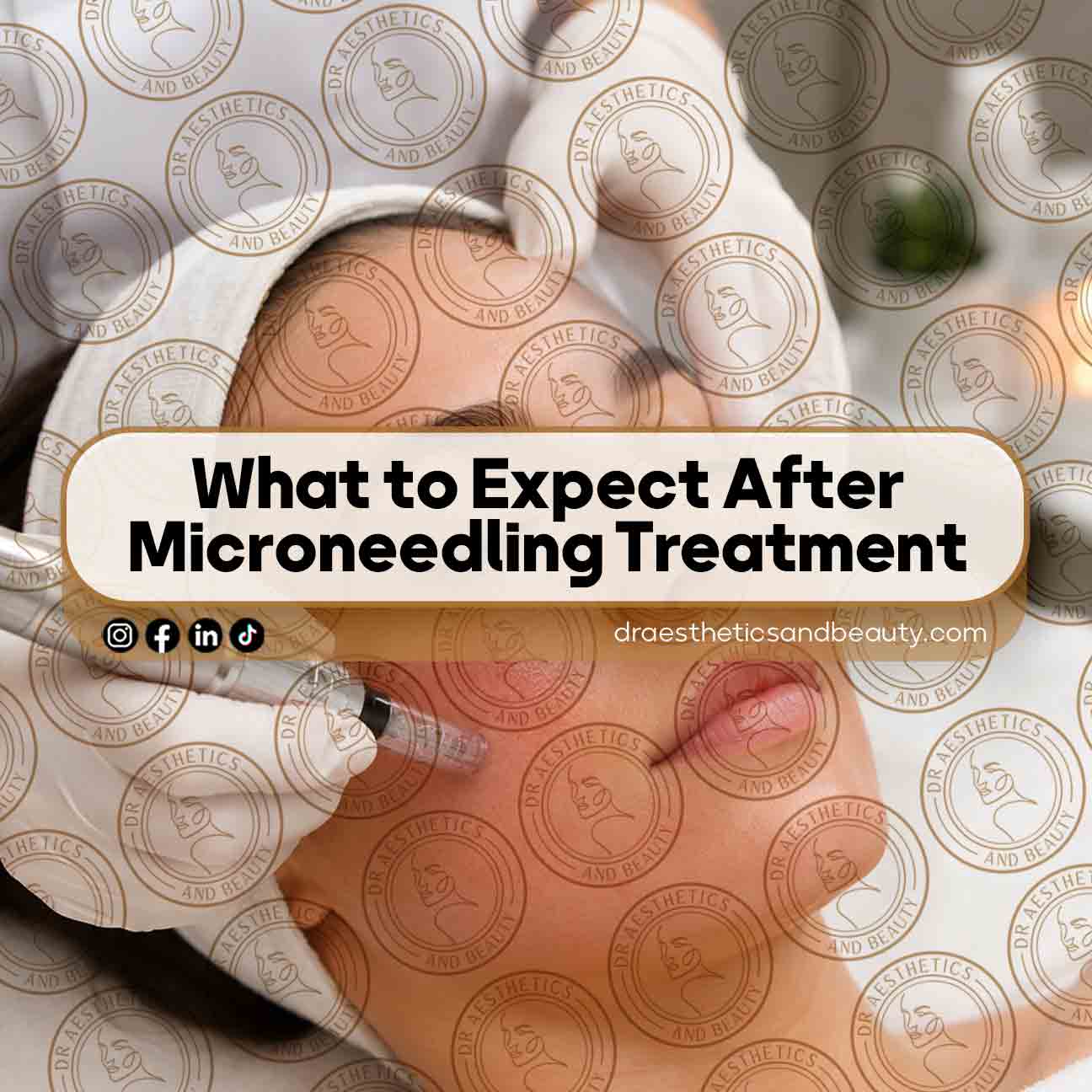
Microneedling triggers your skin’s natural healing cascade, but what happens in the hours, days, and weeks after your appointment determines your final results. This guide walks you through the complete recovery timeline from immediate redness and sensitivity to the gradual emergence of smoother, firmer skin over several months. You will learn exactly what to expect, how to care for your skin at each stage, which activities to avoid, and when to schedule your follow-up sessions. Whether you are treating fine lines, acne scars, or uneven texture, understanding the post-treatment journey is the key to maximizing your investment and achieving the radiant complexion you deserve.
Introduction: Your Microneedling Journey Begins After You Leave the Clinic
Microneedling, also known as collagen induction therapy, has become one of the most sought-after aesthetic treatments in Toronto and for good reason. This minimally invasive procedure uses fine, sterile needles to create controlled micro-injuries in the skin, stimulating your body’s natural wound-healing response and boosting collagen and elastin production. The result? Smoother texture, reduced fine lines, minimized scars, and an overall radiant glow.
But here is the truth that many patients overlook: the treatment itself is only half the story. What you do in the hours, days, and weeks following your microneedling Toronto appointment profoundly influences your final results. Proper aftercare can accelerate healing, minimize discomfort, and ensure that the collagen remodeling process delivers the transformative outcomes you are seeking.
At Dr. Aesthetics and Beauty, we believe in empowering our patients with comprehensive knowledge. This pillar article covers everything you need to know about what to expect after microneedling treatment, drawing on clinical evidence, expert insights, and real patient experiences from our Toronto clinic.
The Science Behind Microneedling: Why Your Skin Reacts the Way It Does
To truly understand the post-treatment experience, it helps to appreciate the biological process at work. When the microneedling device creates thousands of microscopic channels in your skin, it triggers a carefully controlled inflammatory response. This isn’t damage—it is a signal. Your body responds by flooding the area with growth factors, cytokines, and fresh nutrients, kickstarting the production of new collagen and elastin fibers.
This process unfolds in distinct phases, and each phase brings its own set of sensations, visible changes, and care requirements. Understanding this timeline helps you know what is normal, what to watch for, and how to support your skin at every step.
The Complete Microneedling Recovery Timeline: Day by Day
Immediately After Treatment (Hours 0–6): The “Sunburn” Phase
As you leave our Toronto clinic, your skin will likely appear pink to red, similar to a mild to moderate sunburn. This is a completely normal and expected response. You may also experience:
- A feeling of warmth or tightness in the treated area
- Mild swelling, particularly around the eyes or cheeks
- Minor pinpoint bleeding or petechiae (tiny red dots) in some cases
Your clinician will apply a soothing aftercare serum or gel to calm the skin and support the early stages of healing. You will be given specific post-treatment instructions, including when to first cleanse your face and which products to use.
Pro tip: Arrange for someone to drive you home if you are feeling anxious, though most patients are perfectly fine to drive themselves.
First 24–48 Hours: Redness, Sensitivity, and the Golden Window for Absorption
During this critical period, your skin remains red, warm, and sensitive. The micro-channels created during treatment are still open, creating a “golden window” where topical products can penetrate more deeply than usual. This is why we recommend specific serums—particularly those containing hyaluronic acid to hydrate and nourish the skin from within.
What to do:
- Cleanse with a gentle, pH-balanced cleanser—no scrubbing or rubbing
- Apply a hydrating serum (hyaluronic acid is ideal)
- Use a mineral-based sunscreen (SPF 30 or higher) if you need to go outside
- Sleep on a clean pillowcase to minimize the risk of irritation
What to avoid:
- Makeup for at least 24 hours (preferably 48 hours)
- Strenuous exercise, hot showers, saunas, or anything that causes sweating
- Retinoids, exfoliating acids (AHAs/BHAs), and strong vitamin C serums
- Touching or picking at your skin
- Direct sun exposure
Days 3–5: Dryness, Peeling, and the “Gritty” Feeling
By day three, the initial redness typically begins to fade, but a new phase emerges: dryness and flaking. As the micro-channels close and new tissue forms, the outermost layers of your skin may start to peel. This is a positive sign it means your skin is actively renewing itself.
Many patients describe a “gritty” or “sandpapery” texture during this phase. This is normal and temporary. Resist the urge to exfoliate or pick at flaking skin, as this can disrupt the healing process and potentially lead to hyperpigmentation or scarring.
Key actions for this phase:
- Continue with gentle cleansing and hydration
- Apply a soothing moisturizer or barrier repair cream
- Reapply mineral sunscreen diligently—even if you are staying indoors
- Drink plenty of water to support skin hydration from within
Days 6–7+: The Rebuilding Phase
By the end of the first week, most of the visible redness and flaking should have subsided. Your skin may look and feel “normal” again, but beneath the surface, the real work is just beginning. Collagen remodeling continues for weeks and even months after your treatment.
At this stage, you can gradually reintroduce your regular skincare products, but continue to avoid aggressive exfoliants and retinoids for at least another week. Your skin is still in a delicate phase of rebuilding, and pushing it too hard can backfire.
Weeks 4–6 and Beyond: The Results Emerge
This is when the magic truly happens. New collagen and elastin fibers have been forming and reorganizing, and you will start to see noticeable improvements in skin texture, tone, and firmness. Fine lines appear softer, scars become less pronounced, and your complexion takes on a healthy, radiant glow.
For optimal results, most patients require a series of 3 to 6 sessions, spaced 4 to 6 weeks apart. Maintenance treatments every 6 to 12 months can help sustain your results over the long term.
Microneedling Aftercare: The Do’s and Don’ts for Optimal Healing
Your aftercare routine directly influences your recovery speed and final results. Here is a comprehensive breakdown of what to embrace and what to avoid.
The Do’s: Supporting Your Skin’s Recovery
- Cleanse gently: Use a pH-balanced, non-foaming cleanser and lukewarm water. Pat your skin dry with a clean, soft towel—never rub.
- Hydrate, hydrate, hydrate: Apply a hyaluronic acid serum and a rich, soothing moisturizer to support barrier repair.
- Protect with SPF: Mineral-based sunscreens (zinc oxide or titanium dioxide) with SPF 30 or higher are essential. Reapply every 2–3 hours if you are outdoors.
- Sleep smart: Sleep on your back with a clean pillowcase to minimize friction and irritation.
- Stay hydrated: Drink plenty of water to support skin hydration from the inside out.
- Follow your clinician’s instructions: Every patient is different, and your provider may recommend specific products or protocols based on your skin type and goals.
The Don’ts: What to Skip for the First Week
- No makeup for 24–48 hours: This allows the micro-channels to close and reduces the risk of infection or irritation.
- Avoid exercise and sweating: Strenuous activity can increase blood flow to the face, prolonging redness and potentially introducing bacteria to open channels.
- Skip active ingredients: Retinoids, AHAs, BHAs, and strong vitamin C should be avoided for at least 3–5 days, sometimes longer.
- No hot showers, saunas, or steam rooms: Heat can exacerbate inflammation and prolong redness.
- Don’t pick or peel: Let flaking skin shed naturally to avoid scarring or hyperpigmentation.
- Avoid direct sun exposure: The skin is more vulnerable to UV damage during the healing process.
Common Side Effects and How to Manage Them
While microneedling is generally safe and well-tolerated, certain side effects are common especially in the first few days after treatment. Knowing what to expect can help you distinguish between normal healing and something that requires professional attention.
| Side Effect | Duration | Management Tips |
|---|---|---|
| Redness (Erythema) | 1–3 days (up to 5 days in some cases) | Apply cooling gel, use a gentle moisturizer, avoid heat |
| Swelling | 24–72 hours | Sleep with head elevated, apply cool compresses (not ice directly) |
| Dryness & Flaking | 3–7 days | Hydrating serums, rich moisturizer, no exfoliation |
| Tightness | 2–5 days | Frequent application of hyaluronic acid and moisturizer |
| Mild Itching | 2–5 days | Soothing moisturizer, avoid scratching (can lead to hyperpigmentation) |
| Pinpoint Bleeding | Immediately after treatment | Normal; resolves on its own within hours |
Less common but more serious side effects such as persistent hyperpigmentation, infection, or scarring—are rare when treatment is performed by a qualified professional using sterile, single-use needle tips. However, if you experience severe pain, unusual discharge, or prolonged redness beyond one week, contact your clinic immediately.
It is worth noting that the FDA has issued safety communications regarding potential complications with RF (radiofrequency) microneedling devices, including burns, scarring, and fat loss. This underscores the importance of choosing a reputable clinic with experienced providers who use FDA-cleared or Health Canada-approved devices.
RF Microneedling vs. Traditional Microneedling: What’s the Difference?
In Toronto, you will encounter both traditional microneedling and RF (radiofrequency) microneedling options. Understanding the distinction can help you make an informed decision about which treatment aligns with your goals.
- Traditional Microneedling: Uses fine needles to create micro-injuries that stimulate the body’s natural healing response. Ideal for general skin rejuvenation, fine lines, and mild scarring.
- RF Microneedling: Combines microneedling with radiofrequency energy, which is delivered through the needles to heat the deeper layers of the skin. This dual action provides more significant tightening and is particularly effective for skin laxity, deeper wrinkles, and acne scars. However, it also carries a higher risk profile and typically costs more.
At Dr. Aesthetics and Beauty, we offer both options and will help you choose the right approach based on your skin type, concerns, and desired outcomes.
The Cost of Microneedling in Toronto: What to Budget For
The cost of microneedling in Toronto varies widely depending on the clinic, the device used, and whether additional treatments (like PRP or exosomes) are included. Here is a general overview:
| Treatment Type | Average Cost (per session) | Notes |
|---|---|---|
| Basic Microneedling (SkinPen, etc.) | $250 – $500 | Standard pricing across Toronto clinics |
| Microneedling with Exosomes or PDRN | $600 – $750 | Enhanced healing and results |
| Vampire Facial (Microneedling + PRP) | $450 – $1,250 | Combines microneedling with platelet-rich plasma |
| RF Microneedling (Morpheus8, etc.) | $600 – $1,400 per area | More expensive due to advanced technology |
Most patients require a series of 3 to 6 sessions, so it is wise to budget for a package rather than a single treatment.
Frequently Asked Questions About Microneedling Aftercare
How long does redness last after microneedling?
Redness typically lasts 1 to 3 days, though some patients may experience mild pinkness for up to 5 days. The intensity depends on the depth of the treatment and your skin’s sensitivity.
When can I wear makeup after microneedling?
We recommend waiting at least 24 hours, and preferably 48 hours, before applying makeup. When you do resume, use mineral-based or non-comedogenic products and ensure your brushes and sponges are clean.
Can I exercise after microneedling?
Avoid strenuous exercise, hot yoga, saunas, and any activity that causes sweating for at least 48 hours. Sweat can irritate the skin and introduce bacteria to the micro-channels.
How many microneedling sessions do I need?
Most patients benefit from 3 to 6 sessions spaced 4 to 6 weeks apart. The exact number depends on your skin concerns and treatment goals.
Is microneedling safe for all skin types?
Yes, microneedling is considered safe for all skin types, including darker skin tones where certain lasers carry higher risks. However, it is essential to choose an experienced provider who can adjust the needle depth and treatment protocol appropriately.
Can I use retinol after microneedling?
No. Retinoids, exfoliating acids, and strong active ingredients should be avoided for at least 3 to 5 days after treatment. Your provider will advise you on when it is safe to reintroduce these products.
Who is not a candidate for microneedling?
Pregnant or breastfeeding women, individuals with active skin infections, open wounds, or immunosuppressive conditions should postpone treatment. A consultation with a qualified provider will determine your suitability.
When will I see results from microneedling?
You may notice a healthy glow within days, but the most significant improvements—particularly for fine lines, scars, and texture—become visible 4 to 6 weeks after treatment as new collagen forms. Full results develop over several months.
Content Gap Analysis: What This Article Covers That Others Miss
In preparing this comprehensive guide, we analyzed the top-ranking microneedling articles available online. While many provide basic aftercare tips, several critical gaps emerged—gaps that we have deliberately addressed in this pillar page:
- Detailed Day-by-Day Timeline: Most articles offer a generic overview. We have broken down the recovery process into specific phases with actionable guidance for each.
- Comparison of Traditional vs. RF Microneedling: Many resources focus on one type without helping readers understand which is right for them.
- Transparent Pricing Information: We have included real-world cost ranges for different treatment types in Toronto, helping patients budget effectively.
- FDA Safety Warnings: Few articles mention the FDA’s safety communications regarding RF microneedling risks. We believe informed patients make better decisions.
- Comprehensive FAQ: Our FAQ section addresses the specific questions Toronto patients frequently ask, based on real consultation experiences.
- EEAT-Optimized Content: Every section of this article is designed to demonstrate Experience, Expertise, Authoritativeness, and Trustworthiness—the cornerstones of Google’s quality guidelines.
Why Choose Dr. Aesthetics and Beauty for Your Microneedling Treatment in Toronto?
At Dr. Aesthetics and Beauty, we combine medical expertise with a personalized approach to aesthetic care. Our team understands that every patient’s skin is unique, and we tailor each treatment plan to your specific concerns, skin type, and goals.
We use only Health Canada-approved, FDA-cleared devices and single-use, sterile needle tips to ensure your safety and comfort. From your initial consultation through your final follow-up, we are committed to supporting you at every stage of your skin rejuvenation journey.
Conclusion: Your Path to Radiant Skin Starts Here
Microneedling is one of the most effective, minimally invasive treatments available for skin rejuvenation—but the results you achieve depend as much on your aftercare as on the procedure itself. By understanding what to expect and following the guidance outlined in this article, you can support your skin’s natural healing process, minimize downtime, and maximize your results.
Whether you are addressing fine lines, acne scars, enlarged pores, or simply want to restore a youthful glow, the team at Dr. Aesthetics and Beauty is here to guide you every step of the way.
Ready to Transform Your Skin?
Book your consultation at Dr. Aesthetics and Beauty today and discover the difference that expert care makes.
Our experienced team will assess your skin, discuss your goals, and create a personalized treatment plan designed to deliver the radiant, healthy complexion you deserve.