
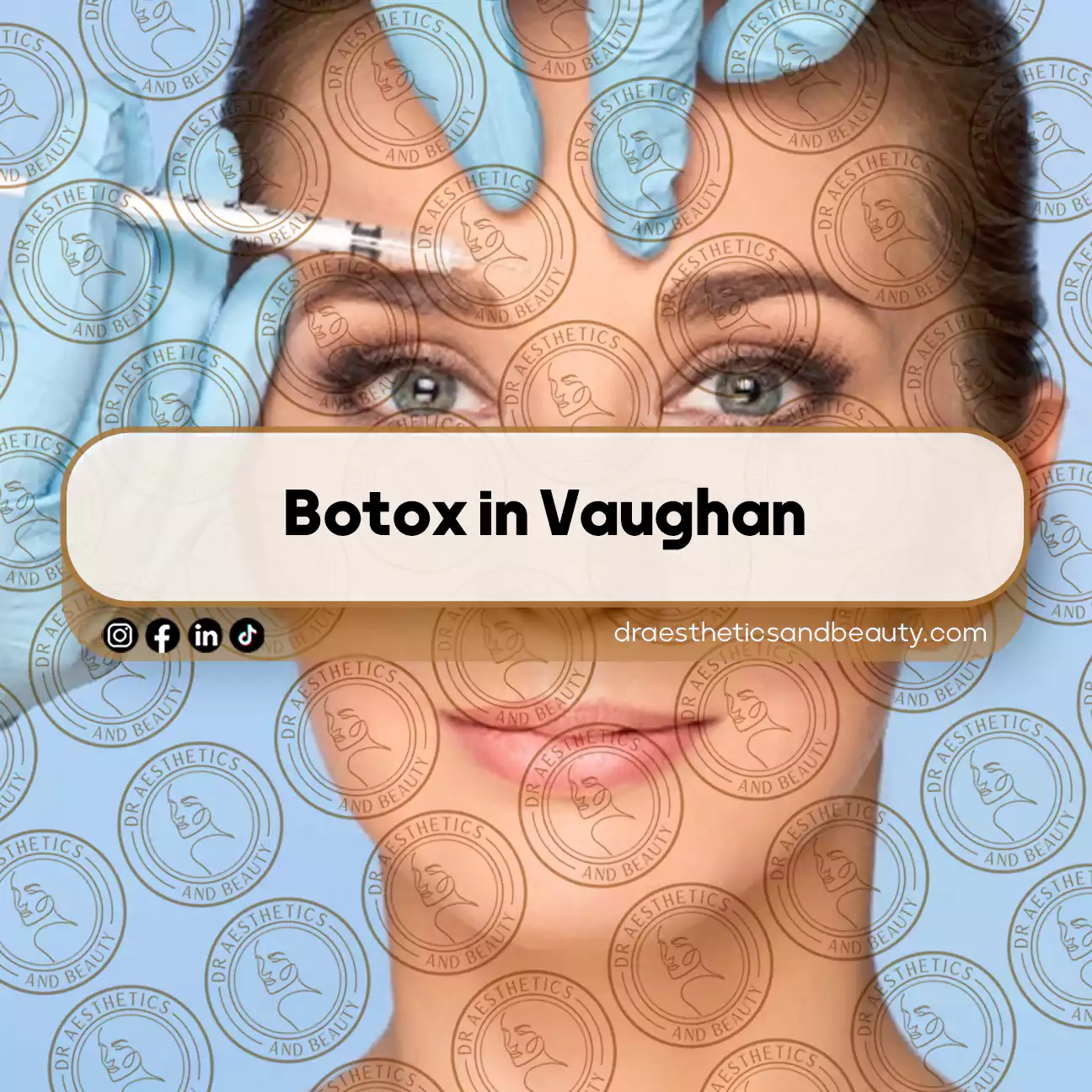
Botox has become one of the most trusted non-surgical cosmetic treatments for individuals looking to achieve a smoother, more refreshed appearance. In Vaughan, ON, many clients turn to Botox to soften forehead lines and reduce the appearance of frown lines without changing their natural facial expressions. These common signs of aging often develop from repeated muscle movement, stress, and the gradual loss of skin elasticity over time. With expertly placed injections, Botox can temporarily relax targeted muscles, helping the skin appear smoother and more youthful. At Dr. Aesthetics & Beauty, our approach focuses on subtle, natural-looking enhancement that helps you look rested rather than overdone. Whether you are noticing early expression lines or deeper creases that remain visible at rest, personalized Botox treatment can offer an effective solution. In this article, we will explore the benefits of Botox in Vaughan, ON, how it treats forehead and frown lines, and what you can expect from the procedure and results.
Botox in Vaughan, ON: Who It’s For and Why It’s Popular
Botox in Vaughan, ON has become a popular choice for people who want to refresh their appearance without surgery or extended downtime. It is especially suitable for individuals who are beginning to notice forehead lines, frown lines, or expression wrinkles caused by repeated facial movements. Many clients choose Botox because it offers a quick, minimally invasive solution that can help soften visible lines while still preserving natural facial expression.
This treatment is ideal for both men and women who want to look more rested, relaxed, and youthful. Some clients use Botox to treat existing wrinkles, while others choose it as a preventative treatment to slow the development of deeper lines over time. Because the procedure is fast and requires little recovery, it fits easily into busy lifestyles, making it appealing to professionals, parents, and anyone seeking subtle enhancement.
In Vaughan, clients often look for results that are smooth but not frozen. With a customized approach, Botox can target specific muscles in the upper face to reduce tension and create a naturally refreshed look. Its popularity continues to grow because it delivers noticeable yet subtle results, helping clients feel more confident while maintaining their unique facial features.
Forehead Lines vs. Frown Lines: What’s the Difference?
Forehead lines and frown lines are two of the most common concerns treated with Botox, but they appear in different areas and are caused by different muscle movements. Forehead lines are the horizontal lines that form across the forehead when you raise your eyebrows. These lines are usually caused by repeated movement of the frontalis muscle, which lifts the brows and creates creasing in the skin over time.Frown lines, also known as glabellar lines or “11” lines, appear vertically between the eyebrows. They are typically caused by the muscles used when you frown, squint, or concentrate. These lines can make a person look angry, tired, stressed, or concerned, even when their face is relaxed.
Understanding the difference between these two areas is important because each requires a precise injection technique. Treating forehead lines too aggressively can create heaviness in the brow, while treating frown lines incorrectly may lead to uneven results. A professional injector carefully evaluates muscle movement, facial balance, and expression before treatment. When performed properly, Botox can soften both forehead and frown lines while keeping your overall appearance natural, balanced, and expressive.
Why Forehead & Frown Lines Become More Visible Over Time
Forehead and frown lines become more visible over time due to a combination of repeated facial movement, natural aging, and changes in skin quality. Every time you raise your eyebrows, frown, squint, or concentrate, the muscles beneath the skin contract. In younger skin, these lines usually disappear once the face relaxes. However, as collagen and elastin production decrease with age, the skin becomes less flexible and may begin to hold these creases even at rest.
Lifestyle factors can also make forehead and frown lines more noticeable. Sun exposure, dehydration, stress, smoking, and poor sleep can contribute to skin thinning and faster wrinkle formation. Genetics may also play a role, meaning some people develop expression lines earlier than others.
Over time, dynamic wrinkles can become static wrinkles, which are visible even when the face is not moving. This is why many clients in Vaughan choose Botox not only to smooth existing lines but also to help prevent them from becoming deeper. By relaxing the muscles responsible for repeated creasing, Botox can reduce the intensity of these movements and support a smoother, more youthful-looking upper face.
Key Benefits of Botox for the Upper Face
Botox offers several benefits for the upper face, especially for clients concerned with forehead lines, frown lines, and tired-looking expressions. One of the main advantages is its ability to smooth dynamic wrinkles caused by repeated muscle movement. By temporarily relaxing targeted muscles, Botox helps soften creases and create a more refreshed appearance without the need for surgery.
Another key benefit is prevention. When used consistently and appropriately, Botox can help reduce the formation of deeper lines over time. This makes it a popular option not only for clients with visible wrinkles but also for younger individuals who want to maintain smoother skin as they age.
Botox can also improve facial balance. For example, treating frown lines can soften a tense or angry appearance, while carefully placed injections may create a subtle brow-lifting effect. The result is often a more open, relaxed, and approachable look.Because Botox treatments are quick and require minimal downtime, clients can usually return to their normal routine soon after their appointment. When performed by a skilled injector, upper-face Botox provides natural-looking results that enhance your appearance without making you look overdone or expressionless.
Common Upper-Face Botox Treatment Areas
Botox is commonly used in the upper face to soften expression lines, refresh the eyes, and create a smoother overall appearance. Each treatment area requires careful assessment to ensure results look natural and balanced.
- Forehead Lines:Horizontal lines across the forehead that appear when raising the eyebrows. Botox can help soften these lines while maintaining natural movement.
- Frown Lines:Vertical “11” lines between the eyebrows caused by frowning, squinting, or concentrating. Treating this area can create a calmer and more relaxed expression.
- Brow Area:Strategic Botox placement may help create a subtle lifting effect around the brows, making the eyes appear more open and refreshed.
- Crow’s Feet:Fine lines around the outer corners of the eyes caused by smiling, laughing, and squinting. Botox can smooth these lines while preserving a genuine smile.
- Upper Nose or Bunny Lines:Small wrinkles that appear on the sides of the nose when scrunching the face. These can be treated as an add-on area for a more complete upper-face refresh.
- Combination Treatment:Many clients benefit from treating multiple upper-face areas together for smoother, more balanced results.
Horizontal Forehead Lines
Horizontal forehead lines are among the most common concerns for clients considering Botox in Vaughan. These lines appear across the forehead when the eyebrows are raised and are caused by repeated contraction of the frontalis muscle. Over time, these expression lines can become deeper and may remain visible even when the face is relaxed.
Botox can help by gently relaxing the muscle activity that causes the skin to crease. The goal is not to completely stop forehead movement, but to reduce excessive contraction so the skin appears smoother and more refreshed. A skilled injector must treat this area carefully because the forehead plays an important role in brow position and facial expression.
When performed correctly, Botox for horizontal forehead lines can create a softer, younger-looking upper face while maintaining natural movement. Clients often notice a smoother forehead within several days, with full results typically appearing around two weeks after treatment.
Glabellar “11” Lines (Frown Lines)
Glabellar lines, commonly called “11” lines, are the vertical creases that form between the eyebrows. They develop from repeated frowning, squinting, or concentrating, and they can make the face look tense, tired, or upset even when a person feels calm. These lines are one of the most popular areas treated with Botox because they often respond very well to precise injections.
Botox works by relaxing the muscles responsible for pulling the brows inward and downward. As these muscles soften, the skin between the eyebrows appears smoother, and the overall expression becomes more relaxed. Treating this area can also help prevent the lines from becoming deeper over time. At a professional clinic, the injector evaluates how strongly the muscles move and customizes the dosage accordingly. The aim is to soften the frown lines without creating a heavy or unnatural appearance. The result is a refreshed, approachable look that still feels like you.
Brow Lift Effect (Subtle Elevation)
A subtle Botox brow lift can help create a more open and refreshed appearance around the eyes. This effect is achieved by carefully relaxing specific muscles that pull the brows downward, allowing the lifting muscles to work more effectively. The result is not a dramatic surgical lift, but a gentle elevation that can make the eyes look brighter and more awake.This treatment is especially popular among clients who feel their upper face looks tired or heavy. When done correctly, Botox can improve the appearance of mild brow heaviness and enhance the natural arch of the brows. However, precision is essential. Too much product or incorrect placement may lead to imbalance or unwanted heaviness.
A professional injector assesses brow shape, eyelid position, and facial muscle movement before recommending this treatment. The goal is always to create natural-looking improvement that complements the client’s facial features. A subtle brow lift can pair beautifully with forehead or frown line treatment for balanced upper-face rejuvenation.
Crow’s Feet (Optional Add-On Area)
Crow’s feet are the fine lines that appear around the outer corners of the eyes, especially when smiling, laughing, or squinting. Although they are a natural part of facial expression, they can become more noticeable as the skin loses elasticity over time. Many clients choose to treat crow’s feet as an optional add-on when receiving Botox for forehead or frown lines.
Botox can soften crow’s feet by relaxing the small muscles around the eyes that cause the skin to crease. The treatment is usually quick and involves tiny, precise injections placed around the outer eye area. When performed properly, it smooths fine lines while still allowing a natural, warm smile.
This area requires a delicate approach because the skin around the eyes is thin and expressive. The goal is not to erase all movement, but to reduce harsh creasing and create a refreshed appearance. Treating crow’s feet alongside other upper-face areas can produce a more balanced and youthful result.
Botox Appointment in Vaughan: Step-by-Step Timeline
| Step | Timeline | What Happens | Notes / Tips |
| 1. Consultation & Goals | Day 0 | You discuss concerns (forehead lines, frown lines) and your “natural vs. smoother” preference. Medical history is reviewed. | Mention pregnancy/breastfeeding, neuromuscular conditions, allergies, and any prior injectable history. |
| 2. Facial Movement Assessment | Day 0 | Your injector asks you to raise brows, frown, squint, and relax to map muscle activity and symmetry. | This step helps prevent over-treatment and supports natural results. |
| 3. Customized Treatment Plan | Day 0 | Injection points and estimated units are selected based on anatomy and goals. | A tailored plan is key—upper-face Botox is not one-size-fits-all. |
| 4. Skin Prep | Day 0 | Treatment areas are cleansed; optional topical numbing may be used. | Arrive with minimal makeup if possible. |
| 5. Injections | Day 0 | Quick, precise injections are placed with a fine needle into targeted muscles. | Typically 5–10 minutes for common upper-face areas. |
| 6. Immediate Aftercare Review | Day 0 | You receive post-care instructions and guidance on what’s normal (mild redness, tiny bumps). | Avoid rubbing the area; plan gentle activities for the day. |
| 7. Early Onset of Results | Days 3–5 | Muscle relaxation begins; lines start to soften. | Results build gradually—don’t judge too early. |
| 8. Full Results | Days 10–14 | Final effect is typically visible; forehead and frown lines look smoother at rest and in motion. | This is the best time to assess symmetry and outcome. |
| 9. Optional Follow-Up / Refinement | ~2 weeks | If appropriate, your injector may reassess and make a small adjustment. | Not always needed; depends on goals and muscle strength. |
| 10. Maintenance Schedule | Every 3–4 months | Repeat treatments help maintain consistent smoothing and prevention. | Duration varies by metabolism, dosage, and lifestyle. |
Aftercare and How to Make Results Last Longer
Great Botox results don’t end when your appointment does—aftercare helps the product settle properly and supports a smoother, longer-lasting outcome. For the first 4 hours, stay upright and avoid lying flat, as this can reduce the risk of unwanted product migration. It’s also important to avoid rubbing, pressing, or massaging the treated areas for at least 24 hours, including avoiding facial massages and tight headwear that may apply pressure.
For the first day, skip strenuous exercise, saunas, hot yoga, and hot tubs. Excess heat and increased circulation may contribute to bruising or swelling and can interfere with optimal settling. Limiting alcohol for 24 hours can also help reduce bruising. If you’re prone to bruising, a cool compress can be used gently, but do not apply strong pressure.
To help results last longer, protect your skin with daily SPF, maintain a consistent skincare routine, and manage habits that deepen lines, such as frequent squinting or frowning. Most clients maintain their look with treatments every 3–4 months, though this varies. If you have any concerns—like unevenness or unexpected heaviness—contact your clinic and schedule a follow-up around the two-week mark for proper assessment.
Conclusion
Botox in Vaughan, ON is an effective and convenient option for individuals who want to soften forehead lines and frown lines while maintaining a natural appearance. As one of the most popular non-surgical cosmetic treatments, Botox can refresh the upper face, reduce visible expression lines, and help prevent deeper wrinkles from forming over time. When performed by a skilled injector, treatment is highly customizable and designed to preserve facial balance rather than create a frozen look. Whether you are concerned about horizontal forehead lines, glabellar “11” lines, or crow’s feet, a personalized Botox plan can target the areas that matter most to you. The procedure is quick, requires little downtime, and fits easily into most lifestyles. With proper aftercare and regular maintenance, results can remain smooth and consistent. At Dr. Aesthetics & Beauty, our goal is to deliver subtle, refined enhancement that helps you look refreshed, confident, and naturally rejuvenated.
Frequently Asked Questions
- How long does Botox take to work?
Most clients begin to notice early changes within 3 to 5 days, while full results are usually visible in 10 to 14 days. The treated muscles gradually relax, allowing forehead lines and frown lines to appear softer and less pronounced.
- How long do Botox results last?
Botox results typically last around 3 to 4 months, although this can vary depending on the treatment area, dosage, metabolism, and muscle strength. Regular maintenance appointments often help keep results more consistent over time.
- Will Botox make my face look frozen?
When performed correctly, Botox should not make your face look frozen. A skilled injector uses precise placement and conservative dosing to soften lines while still preserving natural expression and facial movement.
- Is Botox painful?
Botox injections are generally very well tolerated. Most clients describe the sensation as a quick pinching feeling that lasts only a few seconds. The procedure is fast, and discomfort is usually minimal.
- Is there any downtime after Botox?
There is little to no downtime after Botox. Most people return to normal daily activities right away. However, you should avoid heavy exercise, rubbing the area, and lying flat for several hours after treatment.
- Can Botox prevent deeper wrinkles?
Yes, Botox can help prevent deeper wrinkles by reducing repetitive muscle movement that causes the skin to crease over time. This is one reason many clients choose Botox as both a corrective and preventative treatment.
- Who is a good candidate for Botox in Vaughan?
Good candidates are adults who want to reduce dynamic wrinkles such as forehead lines, frown lines, and crow’s feet. The best way to determine suitability is through a consultation and facial assessment with a qualified provider.
- Can Botox be combined with other treatments?
Yes, Botox is often combined with other cosmetic treatments such as dermal fillers, facials, or medical-grade skincare for more comprehensive facial rejuvenation. Your provider can recommend the best approach based on your goals.